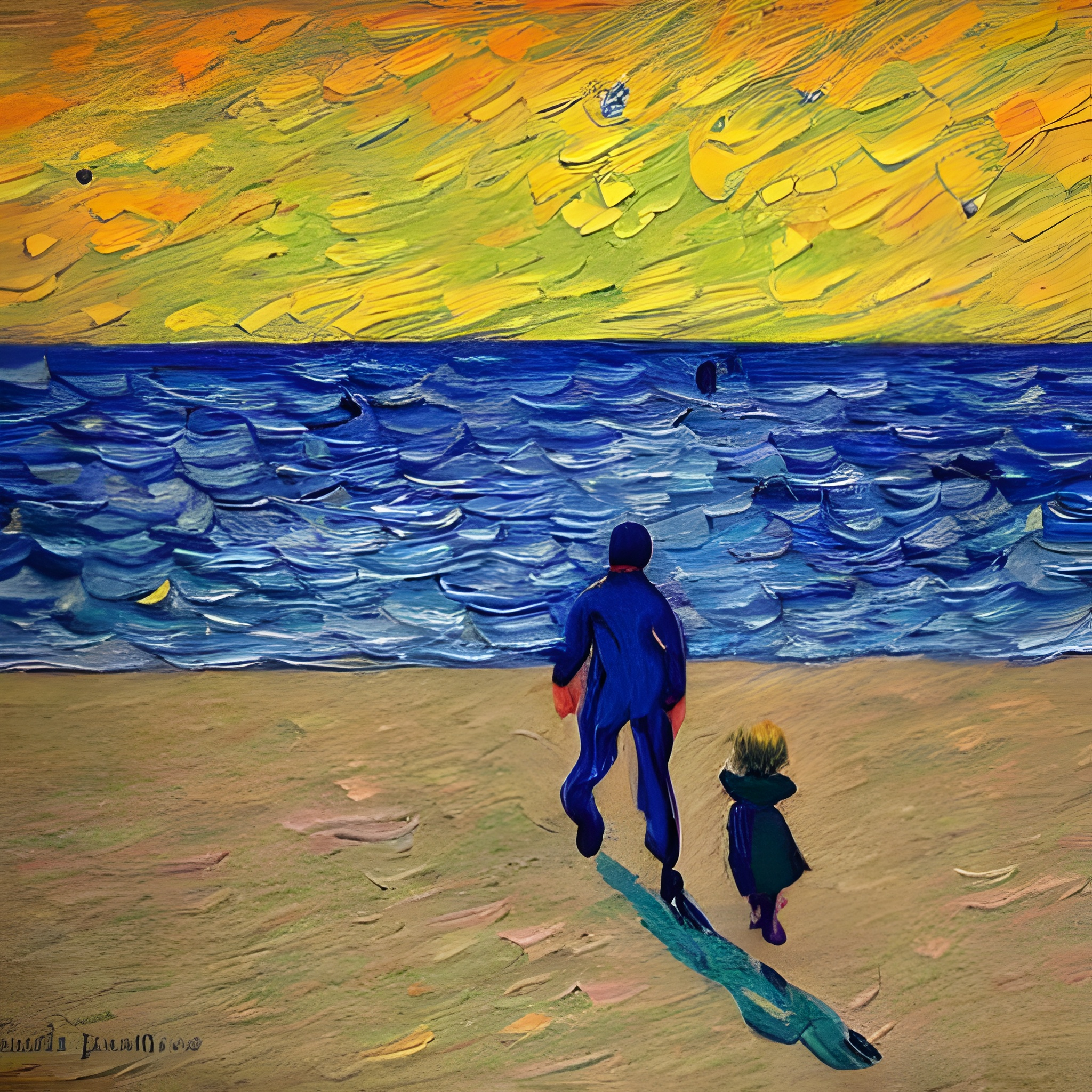
The child and the adult, they both have time. But the way they treat it is different. The child, she plays with it like a toy. She doesn’t care about time. She wants what she wants now. She doesn’t understand why she has to wait. But the adult, he knows the value of time. He knows that it’s precious, that it can’t be wasted. Which is why he plans and organizes, always thinking about what he can do next—but ironically, he wastes just as much, if not more time than the child through this constant thinking, planning, and organizing.
The child lives in the present. She doesn’t think about the future or the past. She’s happy just to be here, right now. But the adult, he’s always thinking about what’s coming next. He’s always looking ahead, trying to be ready for whatever may come his way, and even many things that never will come his way.
The child doesn’t feel responsible for her time. She doesn’t worry about deadlines or schedules. She’s free to do as she pleases. But the adult, he knows that he has to be responsible with his time. He has to manage it carefully, so that he can accomplish all the things he needs to do. Which is why he’s barely ever truly in the present moment.
In the end, the child and the adult, they both have time. But the child enjoys it while the adult manages it. And yet, sometimes the adult wishes he could be more like the child. He wishes he could play and be carefree, without a worry in the world. But he knows that he can’t. He has to be responsible, and he has to use his time wisely. But the older he gets, the more he realizes that there’s more wisdom in the child’s way than his own.